
Energy that removes CO₂
Most energy systems only reduce emissions. The F60 TC takes CO₂ out of the atmosphere: part of the carbon in the wood stays solid as biochar – stable for centuries. FLOYD is one of very few CHP providers whose by-product is a certifiable, valuable biochar.
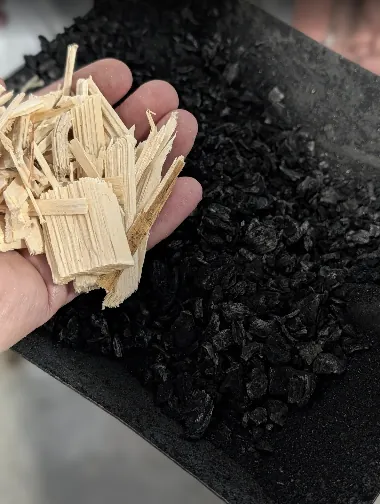
- ~24 t
- biochar per unit and year (3 kg/h, 8,000 h)
- ~72 t
- net CO₂ removal per unit and year
- >90 %
- carbon content
- 0.05
- H/C ratio – close to graphite
- EBC‑Urban
- requirements met
Biochar, not residue
What comes out of the gasifier besides gas decides whether you have a waste problem or a product.
Conventional wood-gas CHPs
- Char, ash and condensed tar leave the process as a mixture
- Often heavily contaminated – classified as waste
- Disposal costs money instead of earning it
- No carbon removal certificates possible
FLOYD F60 TC
- Biochar is separated hot, above 600 °C – tars cannot condense on it
- Lump char with >90 % carbon and very low PAH content
- No de-dusting or after-treatment needed
- A product: for sale, own use and CO₂ certificates
How the CO₂ removal is counted
Only the net removal counts. All emissions over the life cycle are deducted, following the EBC C-Sink and Puro.earth methodology.
Net CO₂ removal = biochar × carbon content × 44/12 − all life-cycle emissions
Per F60 TC at 8,000 operating hours with regional wood chips. The certified value depends on the site, the fuel and the use of the biochar.
| Gross: 24 t biochar × 90 % C × 3.67 | +79 t |
|---|---|
| Biomass transport (regional, < 50 km) | −2 t |
| Engine exhaust after catalyst | −1 t |
| Engine oil, grease, hydraulic fluids | −1 t |
| Spare parts and maintenance materials | −0.5 t |
| Auxiliary electricity | −0.5 t |
| Safety buffer | −2 t |
| Net certified CO₂ removal per unit and year | ≈ 72 t |
From biochar to traded certificate – organised by FLOYD
You run the plant. FLOYD and its partners take care of the whole chain to the sale of the certificates.
- 1
Sampling and analysis
Regular samples of your biochar are analysed by an accredited laboratory according to the European Biochar Certificate (EBC).
- 2
Life-cycle assessment
Fuel, transport, consumables and auxiliary power are recorded and deducted – the basis for the net removal.
- 3
Certification
Registration as a carbon sink under recognised standards such as EBC C-Sink or Puro.earth, including the on-site audit.
- 4
Tracking the use
Every batch is followed to its final use – in soil, compost, concrete or other durable applications.
- 5
Sale of the certificates
The certified removals are sold to companies with net-zero targets. You receive the revenue after the trading commission.
One certificate stands for one tonne of CO₂ removed. Durable removal from biochar currently trades at up to 250 € per certificate, depending on the quality of the project – far above simple avoidance credits.
What biochar is used for
Biochar is a raw material with many uses. Which ones are open depends on the certification class – the label on each card shows the class an application usually requires. For CO₂ certificates, the carbon must stay stored – burning it as fuel does not count.
F60 TC biochar meets the requirements of EBC-Urban. It has also been assessed under the Austrian Compost Ordinance, the Fertiliser Ordinance and ÖNORM S 2211.
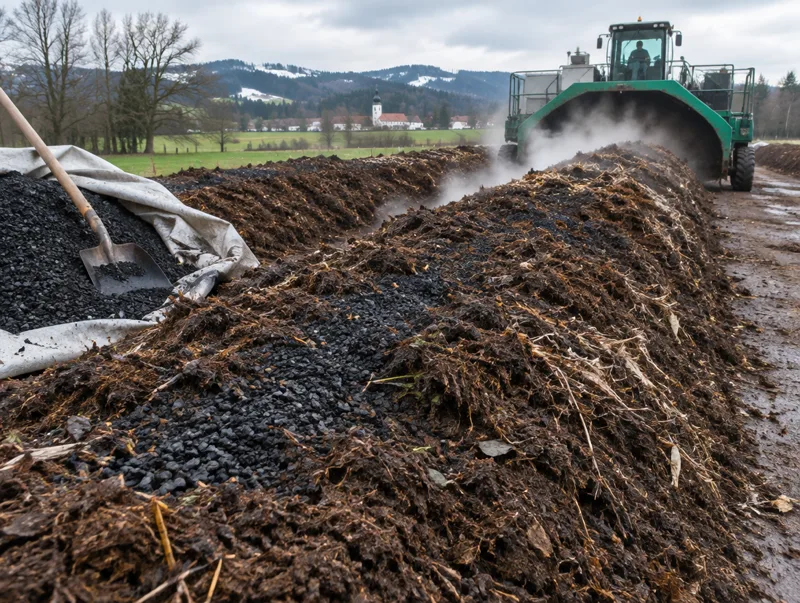 EBC-Agro
Compost
Added to compost, biochar binds nutrients and ammonia, reduces odour and greenhouse-gas emissions and speeds up the process. The charged compost brings the carbon into the soil.
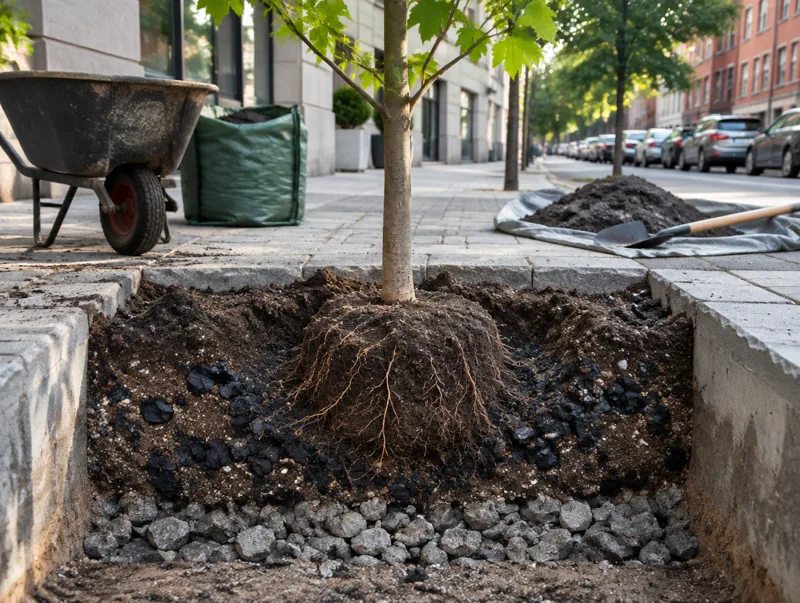 EBC-Urban
Soil and urban trees
In planting substrates, tree pits, parks and green roofs biochar stores water and nutrients, keeps soil loose and helps trees survive in the city.
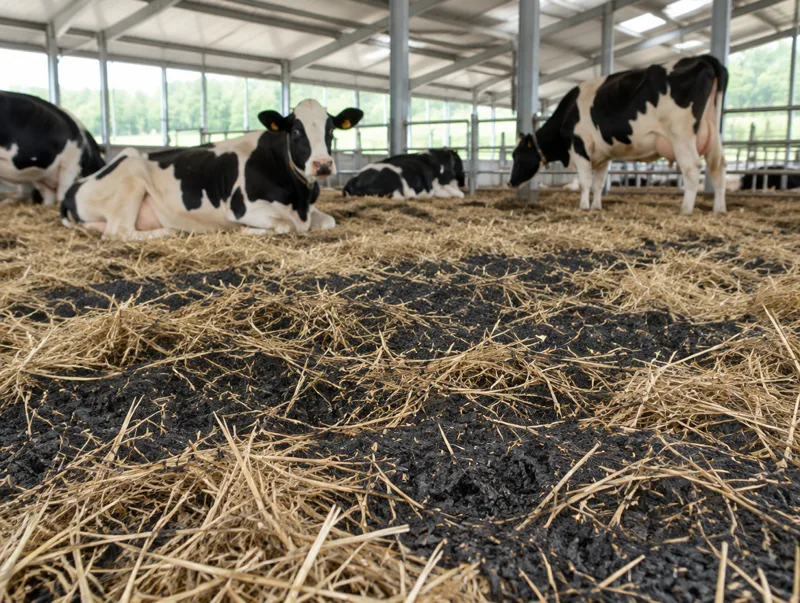 EBC-Feed / Agro
Livestock farming
In bedding and manure it binds ammonia and odour; as a feed additive it supports digestion. The carbon ends up in the field with the manure.
 EBC-Agro
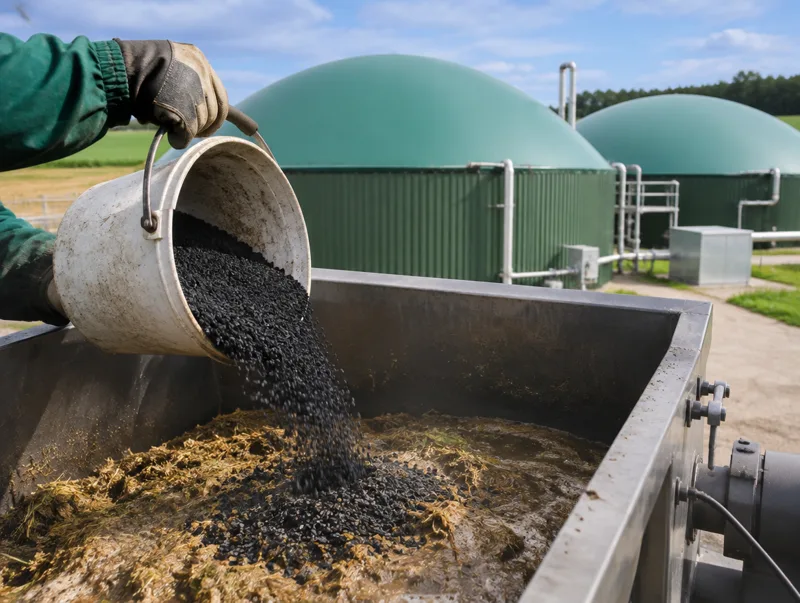
Biogas plants
As an additive in the digester biochar stabilises the process, buffers ammonia and acids and can raise the methane yield. Afterwards it goes to the field with the digestate.
 EBC-Urban / Materials
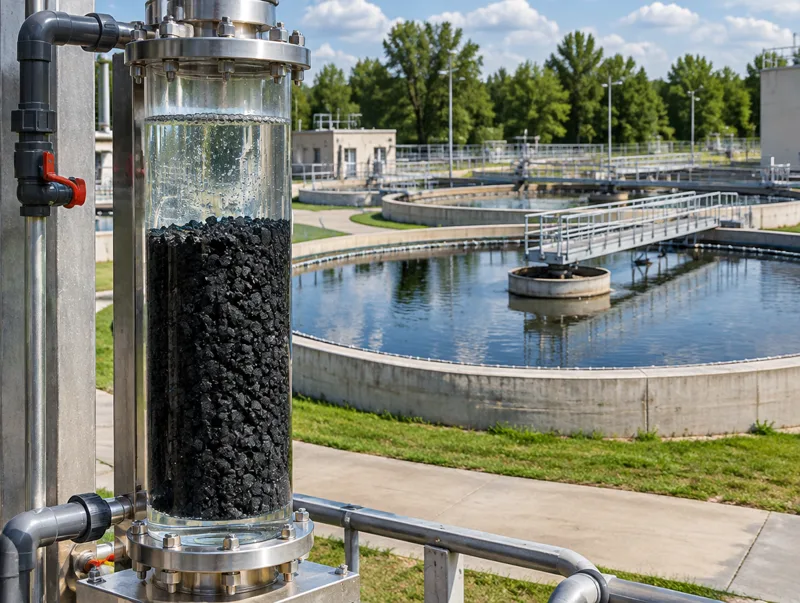
Wastewater and filtration
For sludge dewatering, odour control and as a filter material that binds pollutants and micro-contaminants from water.
 EBC-BasicMaterials
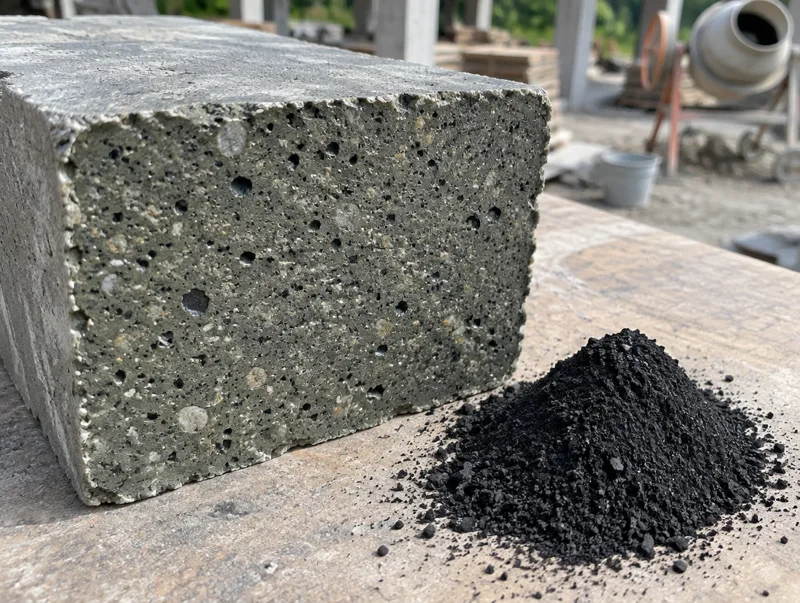
Green concrete and building materials
Mixed into concrete, mortar, plaster or bricks, biochar stores carbon permanently in the building – one of the most secure carbon sinks.
 EBC-BasicMaterials
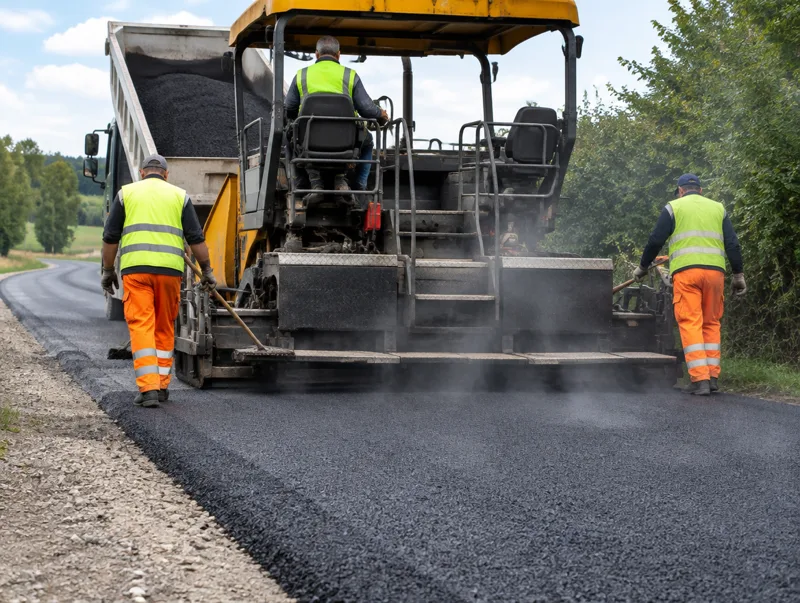
Asphalt and road construction
As a filler in asphalt and in road sub-bases it can bind volatile organic compounds and stores the carbon for the life of the road.
 EBC-BasicMaterials
Metallurgy and industry
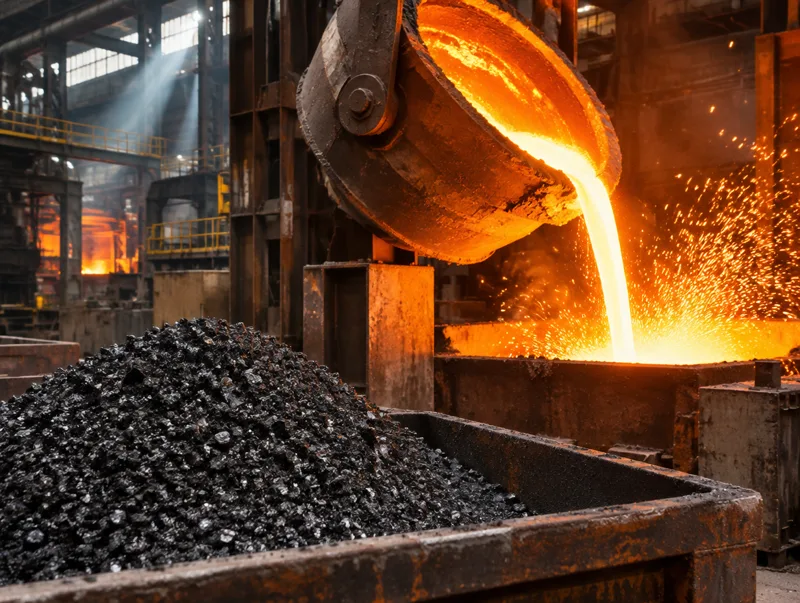
High-carbon biochar replaces fossil coke and coal as a carbon carrier, for example in foundries and steel making. As a reducing agent or fuel it saves fossil CO₂ but does not earn removal certificates.
 Research
Graphite, graphene and batteries
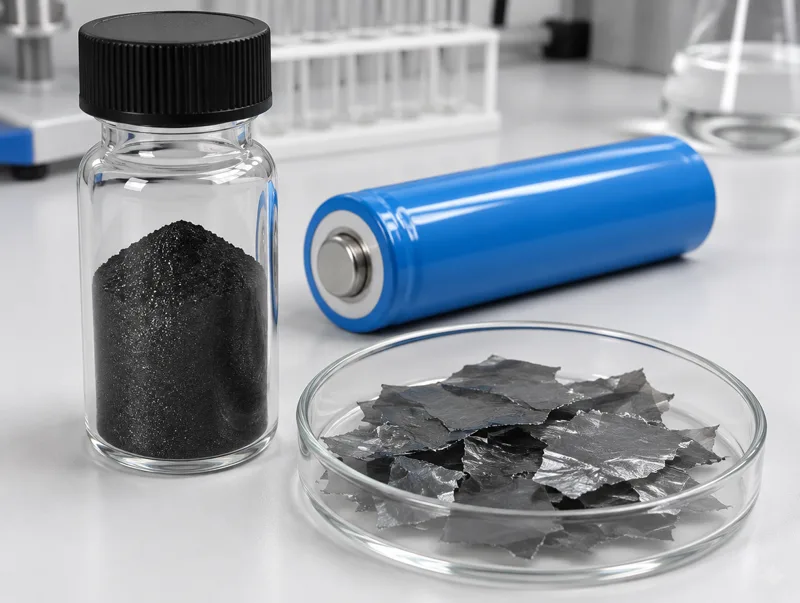
Because of its very low H/C ratio, F60 TC biochar is a promising starting material for graphitic carbon. In the EU Horizon project STREAMS, conversion into a conductive additive for batteries has been confirmed.
Want to know what your biochar is worth?
Tell us about your site. We calculate electricity, heat, biochar and CO₂ certificates together.